

Findlay Personal Injury Lawyers | July 27, 2026 | Blog \ Car Accidents
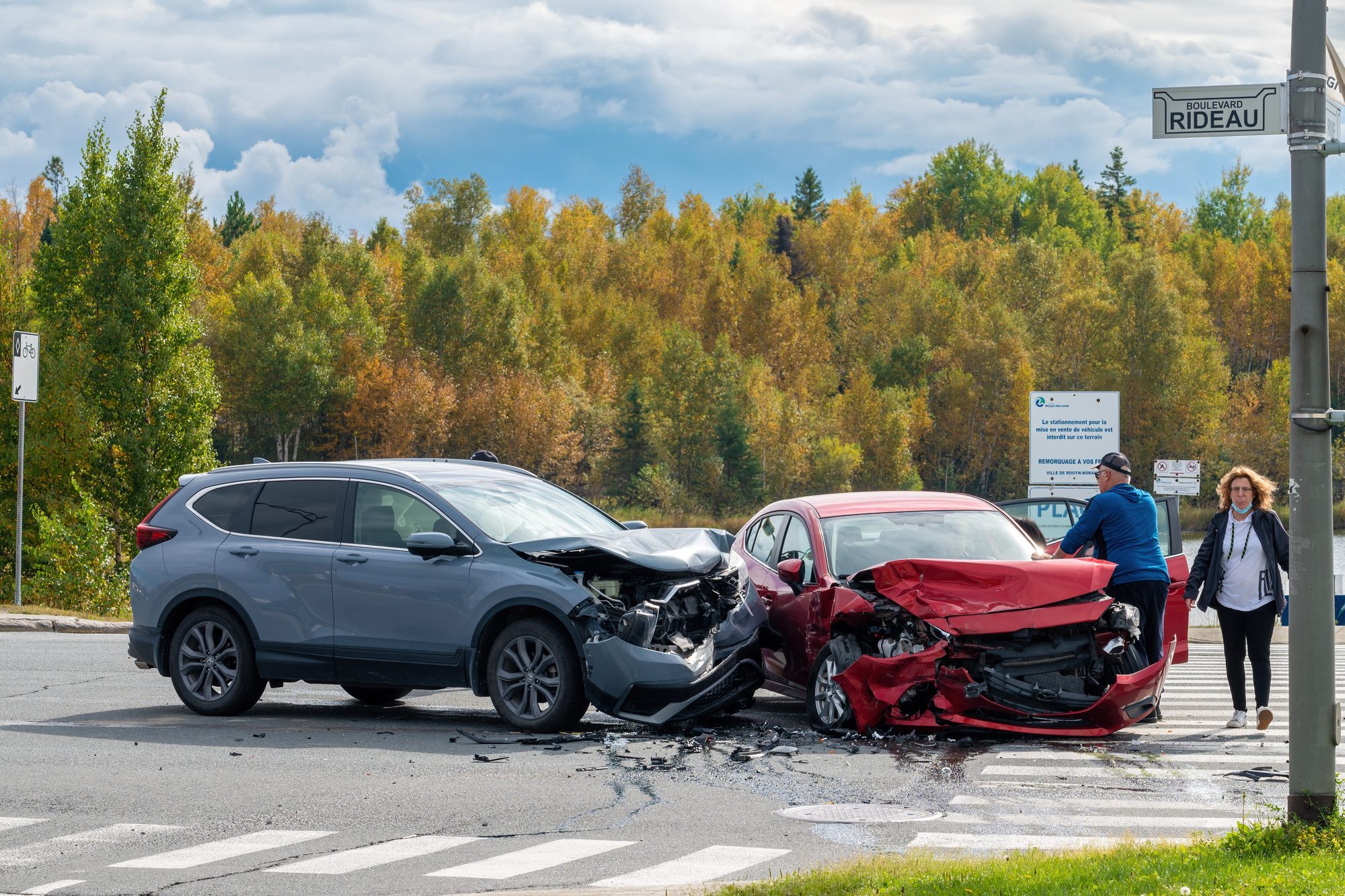
After a car accident in Ontario, injured people often hear two different terms and assume they mean the same thing: accident benefits and a lawsuit. They are not the same. Accident benefits in Ontario come from your own insurer regardless of fault, while a lawsuit is a claim against the driver who caused the crash. Understanding how accident benefits and lawsuits differ and how they work together helps you recover everything you are entitled to.
Key Takeaways
- Accident benefits in Ontario are paid by your own insurer regardless of who caused the accident, under the no-fault system.
- A lawsuit, or tort claim, is a separate claim against the at-fault driver for losses that accident benefits do not fully cover.
- The two streams work together: accident benefits provide early support while a lawsuit pursues pain and suffering and remaining losses.
- As of July 1, 2026, medical, rehabilitation, and attendant care remain mandatory, while several other benefits became optional.
- An accident benefits settlement in Ontario can resolve your benefits claim.
- You generally have two years to start a lawsuit, and shorter deadlines apply to accident benefits applications.
What Are Accident Benefits in Ontario?
Accident benefits in Ontario are a set of no-fault benefits paid by your own auto insurer after a car accident, no matter who was at fault. They are set out in the Statutory Accident Benefits Schedule, or SABS, and they exist to provide relatively fast access to medical care, rehabilitation, and, for those who carry the coverage, income support while you recover. Because they are no-fault, you can access them even if the accident was partly or entirely your fault. This is different from a lawsuit. Accident benefits are about getting you support quickly through your own policy. A lawsuit is about holding the at-fault driver responsible for the broader harm they caused. Both can be part of the same injury claim, but they follow different rules and different timelines.
Standard Accident Benefits: An Overview
Ontario made considerable changes to the accident benefits system effective July 1, 2026. Three benefits remain mandatory in every auto policy: medical, rehabilitation, and attendant care. Several benefits that used to be included automatically, including income replacement, non-earner, housekeeping, caregiver, death, and funeral benefits, became optional coverages that you must purchase to have. It is important to know exactly what your own policy includes. The standard accident benefits in Ontario still cap medical and rehabilitation costs at $3,500 for injuries that fall within the Minor Injury Guideline, and at $65,000 combined for other non-catastrophic injuries. Catastrophic impairments carry a much higher limit of $1,000,000 for medical and rehabilitation benefits, and attendant care. If you purchased optional income replacement coverage, it typically replaces a portion of your lost income up to a weekly maximum while you are unable to work.
Ontario Accident Benefits Chart
The Ontario accident benefits chart below summarizes the main standard benefits under the current system. Optional benefits apply only if you purchased them, and amounts can vary based on the coverage you selected.
| Benefit | Standard Limit | Status (as of July 1, 2026) |
| Medical, Rehabilitation, & Attendant Care (non-catastrophic) | $65,000 | Mandatory |
| Medical & Rehabilitation (Minor Injury Guideline) | $3,500 | Mandatory |
| Medical, Rehabilitation, & Attendant Care (catastrophic) | $1,000,000 | Mandatory |
| Income Replacement | 70% of gross income up to $400 weekly | Optional |
| Non-Earner Benefit | $185 weekly | Optional |
| Housekeeping & Home Maintenance | Weekly amount | Optional |
| Caregiver Benefit | Weekly amount | Optional |
| Death & Funeral | Lump sum / capped amount based on relationship | Optional |
Because income replacement and several other benefits are now optional, two people injured in identical accidents can have very different benefits available depending on the coverage they bought. Reviewing your policy with a lawyer is the only way to know what your accident benefits actually include.
What Is a Lawsuit (Tort Claim)?
A lawsuit, also called a tort claim, is a legal claim against the driver who caused your accident. Unlike accident benefits, a lawsuit depends on fault: you must show that another person’s negligence caused your injuries. A successful tort claim can compensate you for pain and suffering, past and future income loss beyond what accident benefits provide, future care costs, and other losses that the no-fault system does not fully cover. Ontario places limits on tort claims for pain and suffering. To recover general damages for pain and suffering, your injury must meet a legal threshold: it must be permanent and seriously affect an important physical, mental, or psychological function. A statutory deductible also applies to many pain and suffering awards. These rules are technical, which is one reason legal advice is valuable when a lawsuit is involved.
Accident Benefits vs. Lawsuit: The Key Differences
| Characteristic | Accident Benefits | Lawsuit |
| Fault | Benefits are paid regardless of fault | Requires proving another driver was at fault |
| Who Pays | Come from your own insurer | Paid by the at-fault driver’s insurer |
| What is Covered | Medical care, rehabilitation, income support if purchased | Pain and suffering, losses beyond the benefit limits |
| Speed | Quick Support | Longer timeline |
| Thresholds | Not subject to a threshold | Must meet a legal threshold and may be reduced by a statutory deductible |
How Accident Benefits and a Lawsuit Can Work Together
Accident benefits and a lawsuit are complementary, not alternatives. In practice, your accident benefits provide medical, rehabilitation, and income support while your lawsuit develops, and your lawsuit then pursues the remaining losses from the at-fault driver. To avoid double recovery, certain accident benefits are deducted from the matching parts of a tort award, such as income loss and medical costs. A lawyer coordinates both streams so that nothing is missed and the two claims do not undercut each other.
Accident Benefits Settlements in Ontario
An accident benefits settlement in Ontario is an agreement with your own insurer to resolve some or all of your future benefits, often for a lump sum. Settling can provide certainty and flexibility, but it also ends your right to claim the settled benefits later, even if your condition worsens. Insurers must follow specific rules, including a mandatory disclosure notice and a two-business-day cooling-off period, before finalizing an accident benefits settlement. Because these settlements are difficult to reverse, it is wise to get legal advice before agreeing to one.
How Findlay Personal Injury Lawyers Can Help
Managing accident benefits and a lawsuit simultaneously requires experience, especially under the accident benefits rules that changed in 2026. Findlay Personal Injury Lawyers review your policy to confirm what benefits you carry, handle your accident benefits application and any disputes before the Licence Appeal Tribunal, and pursue a tort claim against the at-fault driver where one is available. We work on a contingency fee basis, so there is no upfront cost to have your case reviewed. If you were injured in a car accident, contact Findlay Personal Injury Lawyers for a free consultation.
Frequently Asked Questions
What Are Accident Benefits in Ontario?
Accident benefits in Ontario are no-fault benefits paid by your own auto insurer after a car accident, regardless of who caused it. They are governed by the Statutory Accident Benefits Schedule and can include medical and rehabilitation coverage, attendant care, and, where the coverage was purchased, income replacement and other support. They are meant to provide relatively fast access to care and, for some people, income while they recover, separate from any lawsuit against an at-fault driver.
Is Accident Benefits Mandatory in Ontario?
Some accident benefits are mandatory, and some are now optional. As of July 1, 2026, medical, rehabilitation, and attendant care benefits are mandatory in every Ontario auto policy. Other benefits, including income replacement, non-earner, housekeeping, caregiver, death, and funeral benefits, became optional, meaning you receive them only if you purchased that coverage. Every insured driver has access to the mandatory benefits, but the optional benefits depend on the policy you chose.
Who Is Eligible for Accident Benefits in Ontario?
Generally, anyone injured in an automobile accident in Ontario is eligible to apply for accident benefits, including drivers, passengers, cyclists, and pedestrians involved in a collision with a vehicle. Eligibility does not depend on fault, so you can apply even if you caused or contributed to the accident. You usually claim through your own auto policy if you have one, and through another applicable policy if you do not. Strict application deadlines apply, so it is important to start the process promptly.