

Findlay Personal Injury Lawyers | November 2, 2026 | Blog \ Car Accidents
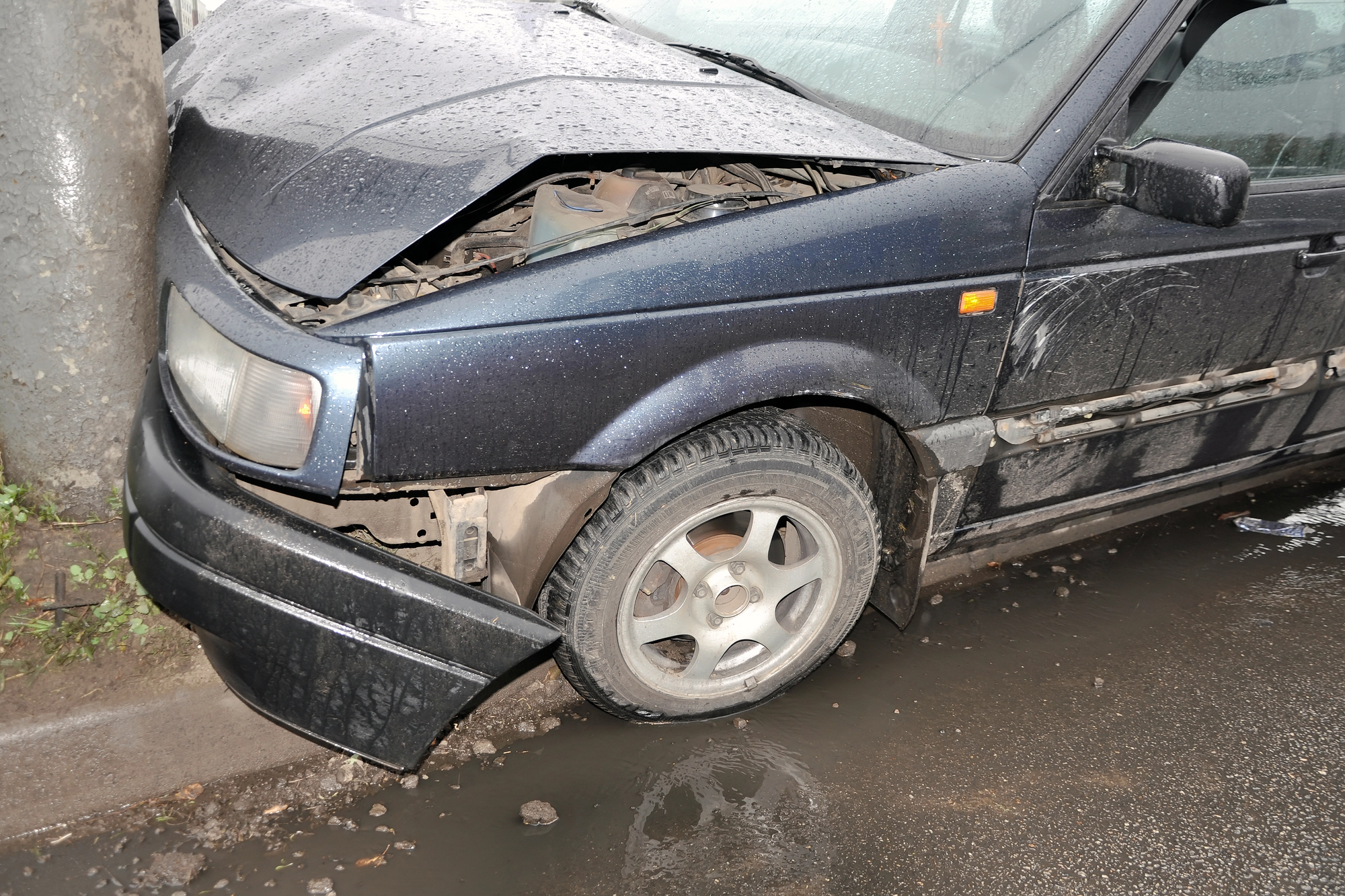
You can often make a single vehicle accident claim in Ontario, even when no other car touched yours. A vehicle that slides into a ditch on a rural road or strikes a pole can still leave you with benefits to claim and, in many cases, someone else who is legally responsible. The answer depends on whether you were the driver or a passenger and on what caused the crash.
Key Takeaways
- After a single-vehicle collision, eligible drivers and passengers can apply for no-fault accident benefits through the insurer responsible under Ontario's priority rules, regardless of who caused the crash.
- A passenger can bring a single vehicle accident injury claim against the driver, and the driver’s liability insurer usually pays.
- A driver can sue others who caused the crash, such as a municipality that failed to repair a road or a manufacturer of a defective part.
- Claims against a municipality for road disrepair require written notice within 10 days.
- An unidentified driver who forced you off the road may be covered under your own policy’s uninsured automobile coverage.
- Most lawsuits must start within two years, so speak with a single vehicle accident injury lawyer early.
What Counts as a Single-Vehicle Accident?
A single vehicle collision is a crash in which only one vehicle is involved. Common examples include:
- Sliding off the road on ice or snow
- Hitting a guardrail, pole, tree, or barrier
- Swerving to avoid an animal, a cyclist, or another car and losing control
- A rollover after a tire blowout or mechanical failure
- Striking a pothole, debris, or an unmarked hazard
Many people assume the driver must be to blame. In practice, road conditions, vehicle defects, and other drivers who never made contact can all play a part.
Can the Driver Make a Claim?
Yes. Accident benefits under the Statutory Accident Benefits Schedule are paid on a no-fault basis, so the driver who caused a single-vehicle crash can still claim them from their own insurer. Medical, rehabilitation, and attendant care benefits are mandatory. For policies issued or renewed on or after July 1, 2026, income replacement and other benefits are optional coverages, so check what your policy includes.
A driver can only sue for pain and suffering or income loss if someone else is at least partly responsible. Ontario’s Negligence Act lets a court divide fault between the parties, so a driver who was partly to blame can still recover a reduced share of their damages.
Passenger Rights After a Single-Vehicle Crash
Passengers have the strongest position after a single-vehicle crash. A passenger can apply for accident benefits and can also bring a single-vehicle accident injury claim against the driver. If the driver is found legally responsible, their automobile liability insurance may respond to the claim, subject to the policy's coverage and limits. This can be particularly important when the driver is a spouse, parent or friend.
A passenger still has to prove that the driver was negligent. Section 193 of the Highway Traffic Act usually places the burden on a driver to show they were not negligent, but that section does not apply to an action brought by a passenger. Evidence such as the police report, witness statements, and the vehicle’s event data often shows speeding, distraction, or impairment.
Passenger Rights in a Single Vehicle Truck Accident Insurance Claim
Being a passenger in a pickup, delivery van, or transport truck that leaves the road raises extra questions. If you were travelling for work, the Workplace Safety and Insurance Board system may apply, and a claim against a co-worker who was driving can be restricted. If the truck belongs to a company, the owner can be liable for the driver’s negligence under section 192 of the Highway Traffic Act. Because the rules overlap, it is worth getting a lawyer’s review of your passenger rights in a single vehicle truck accident insurance claim before you choose a route.
Who Else Can Be Responsible?
A single vehicle accident insurance claim can extend beyond the driver. The table below shows common causes and the parties who may share responsibility.
| Cause of the crash | Who may be responsible | What to know |
|---|---|---|
| Road disrepair, potholes, or poor winter maintenance | The municipality or province | Written notice within 10 days to the municipal clerk or the Minister of Transportation |
| A defective tire, brake, or steering part | The manufacturer, distributor, or repair shop | Keep the vehicle and parts unaltered |
| Another driver who forced you off the road | That driver and their insurer | If unidentified, your own policy may respond |
| A negligent driver of your vehicle | The driver and the vehicle owner | Passengers can claim against both |
| Spilled cargo or debris | The truck operator or company that lost the load | Photograph the debris before it is cleared |
Claims Against a Municipality
Under section 44 of the Municipal Act, 2001, a municipality must keep its roads in a state of repair that is reasonable in the circumstances. It can avoid liability if it did not know about the problem, took reasonable steps to prevent it, or met the provincial minimum maintenance standards. Ontario's Municipal Act, 2001 generally requires written notice of a road-disrepair claim to be served on the municipal clerk within 10 days of the injury. Late notice may be excused where there is a reasonable excuse and the municipality is not prejudiced in its defence.
Claims Involving a Vehicle Defect
If a tire separated or brakes failed, the manufacturer or a repair shop may be liable. Our product liability lawyers work with engineers to examine the vehicle, so do not repair or scrap it before it has been inspected.
When an Unidentified Driver Caused the Crash
Sometimes a driver who never made contact forces you off the road and leaves. Ontario auto policies include uninsured automobile coverage that can respond to injuries caused by an unidentified driver. Insurers examine these claims closely, so independent witnesses and dashcam footage carry real weight.
What to Do After a Single-Vehicle Accident
These steps help protect a single vehicle accident claim:
- Call 911 and report the crash to police, even if no other vehicle was involved.
- Photograph the road surface, signs, debris, skid marks, and the damage to your vehicle.
- Write down the names of witnesses and any details about a driver who left the scene.
- See a doctor promptly and follow the treatment plan.
- Notify your insurer within seven days, or as soon as practicable.
- Send written notice to the municipal clerk within 10 days if the road may be to blame.
- Keep the vehicle and any failed parts available for inspection.
How Findlay Personal Injury Lawyers Can Help
Single-vehicle crashes take more investigation than most collisions because the responsible party is not always obvious. Findlay Personal Injury Lawyers review the police report, road maintenance records, and the vehicle itself to identify everyone who may share responsibility. Our car accident lawyers work on a contingency fee basis, so there is no upfront cost to have your case reviewed. If you were hurt in a single-vehicle accident in Hamilton or elsewhere in Ontario, contact Findlay Personal Injury Lawyers for a free consultation.
FAQ
Can I Make a Claim If I Caused a Single-Vehicle Accident?
Yes, for accident benefits. These no-fault benefits come from your own insurer whether or not you caused the crash, and medical, rehabilitation, and attendant care benefits are always included. You cannot sue yourself for pain and suffering, but if a road defect, a faulty part, or another driver contributed, you may have a claim against that party for their share of the fault.
Can a Passenger Sue the Driver After a Single-Vehicle Collision?
Yes. A passenger can sue the driver whose negligence caused the crash, and the driver’s liability insurer normally defends and pays the claim. This applies even when the driver is a family member or friend. The passenger must prove the driver was negligent, using evidence such as the police report, witness accounts, and vehicle data.
What Is the Deadline for a Single-Vehicle Accident Claim?
Notify your own insurer within seven days, or as soon as practicable, and submit the accident benefits application within 30 days of receiving the forms. Most lawsuits must start within two years under the Limitations Act, 2002. If a municipality’s road was involved, written notice to the clerk is due within 10 days.
Do I Need a Lawyer for a Single Vehicle Accident Insurance Claim?
You are not required to hire one, but a lawyer can identify parties you may not have considered, such as a municipality, a parts manufacturer, or the vehicle owner. A lawyer also makes sure notice deadlines are met and that your own insurer pays the benefits your policy provides.