
Findlay Personal Injury Lawyers | April 14, 2026 | Motor Vehicle \ Personal Injury
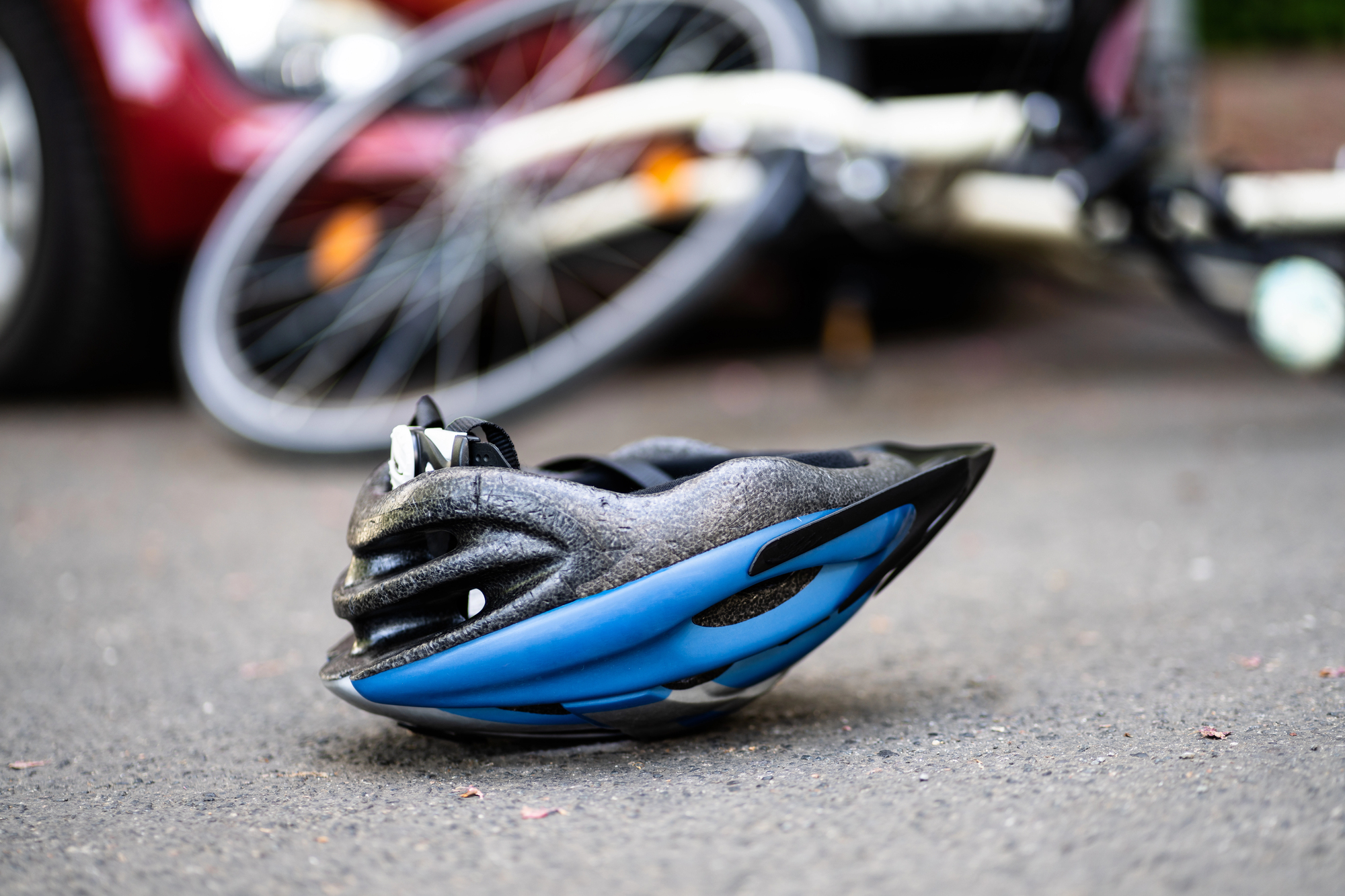
More Ontarians are relying on bicycles for daily transportation, recreation, and fitness, but few cyclists are thinking about auto insurance when they head out for a ride. That may need to change. Beginning July 1, 2026, Ontario is reshaping the accident benefits system in a way that could leave some injured cyclists with less protection than they might expect after a crash.
Key Takeaways
- Cyclists can still access core accident benefits after a crash. Even after July 1, 2026, medical, rehabilitation, and attendant care benefits remain available to cyclists and pedestrians hit by a motor vehicle.
- The biggest risk is losing financial support, not treatment. Injured cyclists may still get help with care, but income replacement and other optional benefits may be much harder to access.
- A driver’s extra coverage usually does not automatically protect an unrelated cyclist. Optional benefits are generally limited to the named insured, spouse, dependents, and listed drivers.
- Small policy details will matter much more after July 1, 2026. Renewal forms, household policy setup, and who is actually covered under a policy could make a major difference after an accident.
- An accident lawyer can help before small insurance issues become big problems. After a serious bicycle crash, early legal advice can help identify the right insurer, protect access to benefits, and avoid mistakes that may affect both accident benefits and any later tort claim.
What Is Ontario’s Statutory Accident Benefits Schedule (SABS), and What Changes in 2026?
Ontario’s Statutory Accident Benefits Schedule (SABS) is the no-fault system that provides certain benefits to people injured in motor vehicle accidents. These benefits can help cover treatment, care, and sometimes financial losses during recovery, regardless of who caused the crash. SABS is not limited to drivers. In Ontario, cyclists and pedestrians injured by a motor vehicle may also qualify for accident benefits, even if they do not own a vehicle or have their own auto insurance.
Traditionally, accident benefits have included support such as:
- medical and rehabilitation benefits
- attendant care benefits
- income replacement benefits
- non-earner benefits
- caregiver benefits
- death and funeral benefits
What changes on July 1, 2026?
Starting July 1, 2026, Ontario is narrowing the benefits that are automatically included in auto insurance policies.
Benefits that remain part of the core system
Every policy will still include coverage for:
- medical benefits
- rehabilitation benefits
- attendant care benefits
These benefits remain the foundation of Ontario’s no-fault accident benefits system.
Benefits that may no longer be included automatically
Other benefits that many injured people have historically relied on may now depend on whether optional coverage exists under the applicable policy, including:
- income replacement benefits
- non-earner benefits
- caregiver benefits
- housekeeping and home maintenance benefits
- death and funeral benefits
Why This Matters for Cyclists and Pedestrians
Core Benefits Are Still Available
Cyclists and pedestrians injured in a collision with a motor vehicle may still qualify for Ontario’s mandatory accident benefits after July 1, 2026. That means the core no-fault benefits for medical treatment, rehabilitation, and attendant care can still be available, even if the injured person does not own a vehicle or carry their own auto insurance.
The Driver’s Optional Coverage May Not Help You
After July 1, 2026, a driver can still buy optional benefits such as income replacement or caregiver coverage, but those benefits generally do not go to every person injured in the accident. They are usually limited to the named insured, their spouse, their dependents, and listed drivers under the policy. So if you are an unrelated cyclist hit by that vehicle, you may still qualify for the mandatory medical, rehabilitation, and attendant care benefits, but you will not usually be able to claim the driver’s extra optional benefits just because they paid for them.
Why This Creates Real Risk
For many cyclists and pedestrians, the result is a serious gap between medical support and financial support. A person may still be able to access treatment and care after a crash, but have no meaningful coverage for lost income, caregiving responsibilities, or other day-to-day financial pressures during recovery unless they qualify under their own policy or another responding policy. That is what makes the 2026 changes so important for vulnerable road users.
What if I Cannot Work After a Bicycle Accident?
After July 1, 2026, some injured cyclists may still receive treatment-related benefits but have no access to income replacement under any responding policy that actually covers them for optional benefits. In that situation, they may have to look to workplace disability coverage, private insurance, EI sickness benefits, or a tort claim for financial support during recovery. EI sickness benefits can provide up to 26 weeks of support for eligible claimants, but they generally replace only 55% of insurable earnings up to the federal maximum, which can leave a significant income gap during recovery.
How the “First Payer” Rule Affects Your Claim
The 2026 changes also introduce a first payor rule. Before, people often had to rely on workplace or private health plans first for accident-related treatment, with auto insurance acting more as a backup. Starting July 1, 2026, that order changes. The auto insurer will usually pay first for medical and rehabilitation expenses, except for medication. For injured cyclists, this means the insurer may have a bigger role much earlier in the process, including decisions about treatment and payment for care.
Protecting Your Rights Under Ontario Bicycle Laws
Cyclists cannot control the insurance choices a driver makes, but they can take steps to reduce the risk of being left with a financial gap after a serious crash.
- Review workplace disability coverage: Check if your employer offers short-term or long-term disability benefits that apply outside work hours. If income replacement becomes harder to access through auto insurance, those workplace benefits may become your main source of financial support during recovery.
- Consider private coverage: If you do not have access to your own auto policy, personal accident, or disability insurance may matter more than you think. Treatment-related benefits may still be available after a crash, but income support can be much harder to find.
- Make sure your household policy is accurate: If you live in a household with an insured vehicle, confirm that the policy correctly reflects listed drivers and dependents. If you are hit while cycling, accident benefits may still go through the auto insurance system, and a household policy could affect what coverage is available to you. Many people assume everyone in the household is protected the same way, but optional benefits may depend on how the policy is set up and who is actually covered under it.
What To Do in the First Days After a Bicycle Collision
Get Medical Attention Right Away
Your health comes first, but early medical care also creates an important record of your injuries. Even if you think you are “mostly fine,” symptoms such as concussion, soft-tissue injuries, numbness, or back pain may not fully appear until hours or days later. Getting assessed promptly helps protect both your recovery and your claim after a bike accident.
Report the Collision as Soon as Possible
If a motor vehicle was involved, report the accident to police where required and notify the relevant insurer as soon as you can. In Ontario, accident benefits claims move quickly, and delays can create unnecessary disputes. As a general rule, the insurer should be notified within 7 days, or as soon as reasonably possible.
Identify the Driver and the Vehicle
Try to get the driver’s name, contact information, licence plate number, and insurance details before leaving the scene. If there are witnesses, get their names and phone numbers as well. These details can become critical later, especially if there is a dispute about fault, coverage, or which insurer should respond first.
Document the Scene Before Evidence Disappears
If you are physically able, take photos or videos of the bicycle, the vehicle, visible injuries, road conditions, traffic signals, skid marks, weather, and the surrounding area. Evidence from the scene can disappear quickly, and those early images may become some of the strongest proof of what happened.
Keep Every Receipt and Treatment Record
Save prescriptions, invoices, physiotherapy receipts, mileage to appointments, repair estimates, and any paperwork connected to the accident. A bicycle accident claim often depends on documentation, and it is much easier to keep those records from the beginning than to try to rebuild them later.
Be Careful What You Say to Insurers Early On
You should report the collision, but avoid guessing about your injuries, minimizing your symptoms, or making broad statements before you understand the full extent of the damage. What feels like a minor injury in the first 24 hours can develop into something far more serious, and early statements are often revisited later.
Get Legal Advice Before Problems Grow
Early advice can help you identify the right insurer, protect access to accident benefits, and avoid mistakes that may affect optional benefits or a future tort claim. The first few days after a crash often shape the entire claim, so getting guidance early from a bicycle accident lawyer can make a significant difference.
How Findlay Personal Injury Lawyers Can Help
The aftermath of a bike accident can be complicated, and the 2026 changes add another layer of difficulty. A Hamilton bicycle accident lawyer can assist by:
Understanding Which Insurance Coverage Applies
Bicycle accident claims are often more complicated than they first appear, especially under Ontario’s 2026 insurance changes. A Hamilton bicycle accident lawyer at Findlay Personal Injury Lawyers can determine which policy applies to the claim, whether any optional benefits are available, and whether the injured cyclist actually falls within the class of people entitled to those benefits under the responding policy.
Making Sure the Right Legal Framework Is Used
The timing of the accident and the wording of the policy can make a major difference. Our team reviews each case carefully to identify the legal framework that applies, assess if older benefit entitlements still govern, and challenge insurers that try to rely on more restrictive rules that do not belong in your case.
Challenging Denials and Limited Benefit Decisions
Insurers do not always interpret coverage in a way that favours the injured person. If benefits are denied, reduced, or delayed, stepping in early with a bike accident lawyer can help protect your right to the support available under Ontario law. That includes disputes over accident benefits, optional coverage, and attempts to wrongly limit what an injured cyclist can recover.
Pursuing Compensation Beyond Accident Benefits
Accident benefits are only one part of the picture after a serious bicycle crash. When those benefits are not enough to cover the full impact of the injury, we pursue tort claims against the at-fault driver to seek compensation for pain and suffering, lost income, future loss of earning capacity, and other damages that fall outside the no-fault system.
Local Experience Matters
Findlay Personal Injury Lawyers has served Hamilton and surrounding communities for decades. That local experience matters when dealing with bicycle accident claims, because it means understanding the courts, insurers, medical evidence, and day-to-day realities that shape personal injury cases in this region for anyone looking for a bicycle accident lawyer in Hamilton.
No Upfront Fees to Get Started
At Findlay Personal Injury Lawyers, bicycle accident claims are handled on a contingency fee basis. That means there are no upfront costs, and you only pay if compensation is recovered for you.
If you have been injured, contact a bicycle accident lawyer at Findlay Personal Injury Lawyers for a free consultation.
Frequently Asked Questions About Bicycle Accident Laws in Ontario
Do these changes affect cyclists immediately on July 1, 2026?
Not in every case. Existing policies do not automatically lose optional benefits on July 1, 2026, and current coverages will generally continue unless they are changed in writing. But after that date, the timing of the policy, the available optional benefits, and who can actually claim them may matter more in cases involving bicycle laws in Ontario.
What happens if the driver is uninsured or flees the scene?
If the driver who caused the crash has no insurance or leaves the scene and cannot be identified, you may still have a way to access benefits through Ontario’s Motor Vehicle Accident Claims Fund. But that does not mean every type of support will be available. After July 1, 2026, you may still be able to get help with medical treatment, rehabilitation, and attendant care, while benefits like income replacement may still be out of reach if no policy in the chain covers you for those optional benefits.
How can cyclists better protect themselves under the new system?
Cyclists cannot control the insurance choices a driver makes, but they can take steps to reduce the risk of being left with a gap after a serious crash. That means looking at your own financial safety net, including any workplace disability coverage, private insurance, and household auto policy that may apply if you are injured by a motor vehicle. The goal is not just to make sure treatment is covered, but to understand where lost income or other day-to-day financial support would come from if your recovery kept you off work.
I also drive. Should I think twice about giving up optional benefits at renewal?
Yes. If your policy renews after July 1, 2026, it is worth looking beyond the premium savings. Optional benefits may still matter a great deal if your household depends on your income, if someone relies on your unpaid caregiving, or if time away from work would cause real financial strain. The real question is not just what you save now, but what protection you may be giving up later.